CottonDelta Farm · Est. 2003

A Thousand Acres
of Delta Bottom

Single-origin cotton grown where the Yazoo meets alluvial clay —every bale traceable to the field that made it.

ALLUVIAL CLAY LOAM · BOLIVAR COUNTYSQUARE
Taproot Depth36–48 inDeep Delta clay loam
Water / lb Lint1,450 galRain-fed primary, drip supplemental
Acres Planted1,024 acBolivar County, Mississippi
Bales / Acre2.8 avg2025 harvest yield
Avg Staple Length1 3/32 inStrict Middling grade
Micronaire Range3.8 – 4.6Premium A-zone fiber
Scroll through the season
Bolivar County, Mississippi·1,024 Acres Planted·Strict Middling Grade·Staple 1 3/32 in·Micronaire 3.8 – 4.6·GPS-Traced Rows·2.8 Bales / Acre·Rain-Fed Primary·Bolivar County, Mississippi·1,024 Acres Planted·Strict Middling Grade·Staple 1 3/32 in·Micronaire 3.8 – 4.6·GPS-Traced Rows·2.8 Bales / Acre·Rain-Fed Primary·
The Cotton Calendar

From Furrow to Bale,
Every Step Documented

The Delta growing season runs 200 days. We track every one of them.
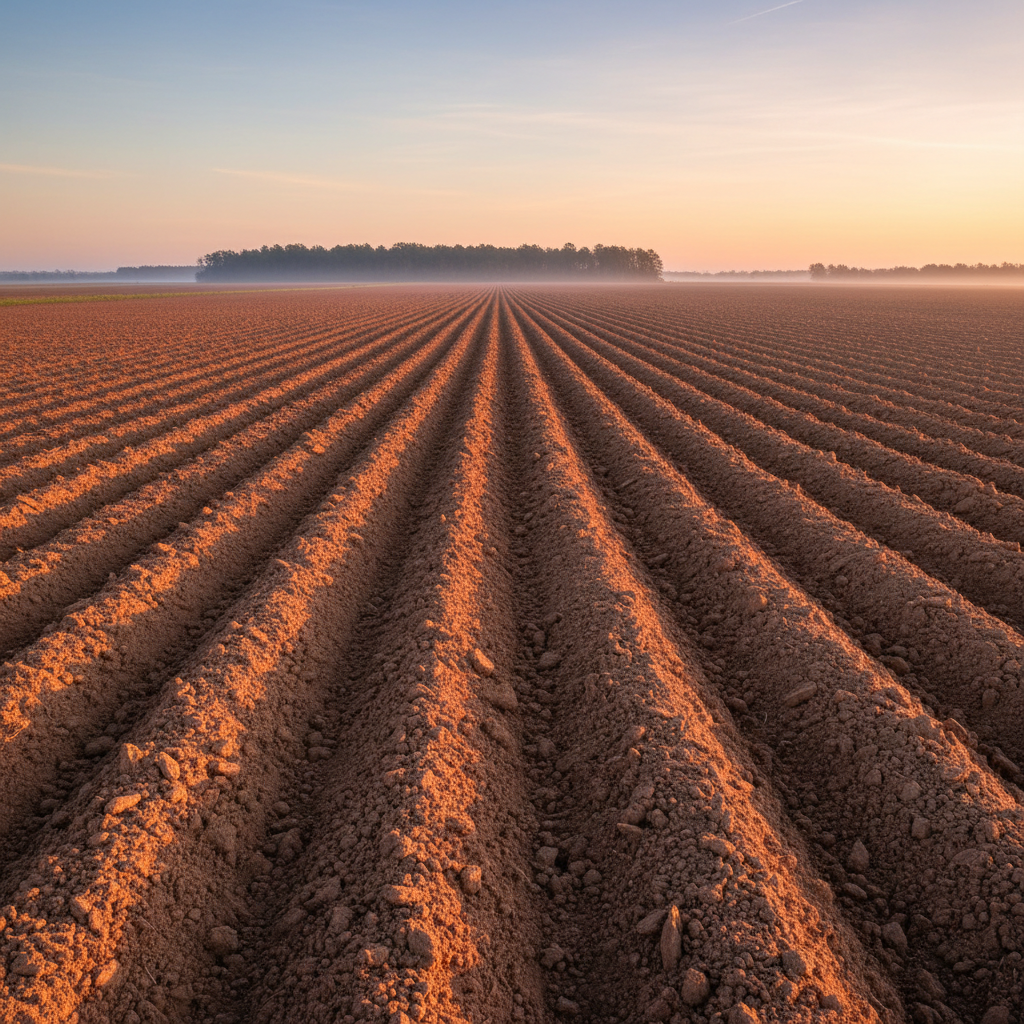
Wide Mississippi Delta field at dawn with red clay soil freshly turned, rows stretching to the treeline under a pale spring sky
Spring · April – May

The Planter Runs at Dawn

GPS-guided planters lay seed in 38-inch rows through red clay still cold from March rains — every pass recorded, every acre documented from the first furrow.

Planting Rate
3.2seeds/ft
38-in row spacing · GPS-guided
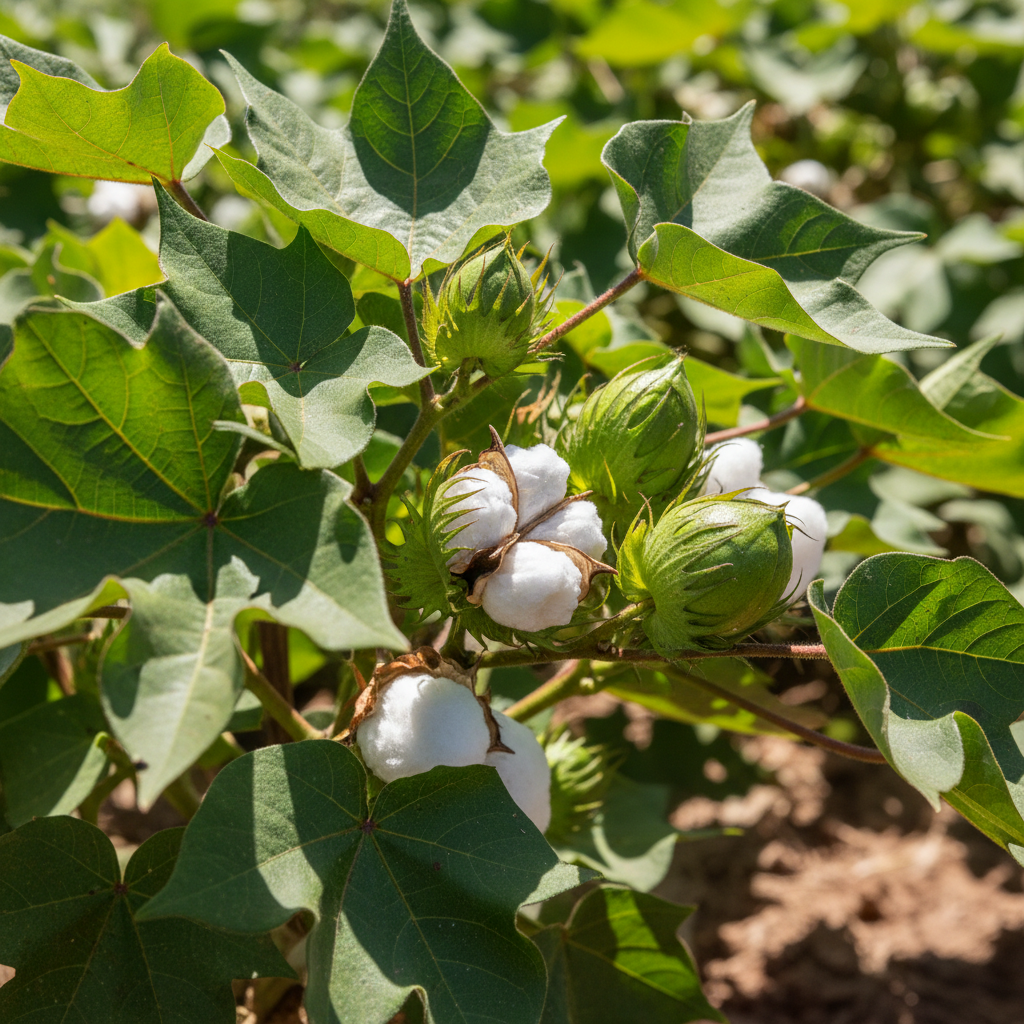
Close-up of cotton plant in peak summer growth with green bolls forming and leaves dense under Mississippi August heat
Summer · June – August

Scouts Walk Every Row

Agronomists check square retention weekly — a dropped square is a lost boll, and on a thousand acres, every percentage point of retention translates directly into classing grade.

Square Retention
94%
2025 avg · threshold 88%
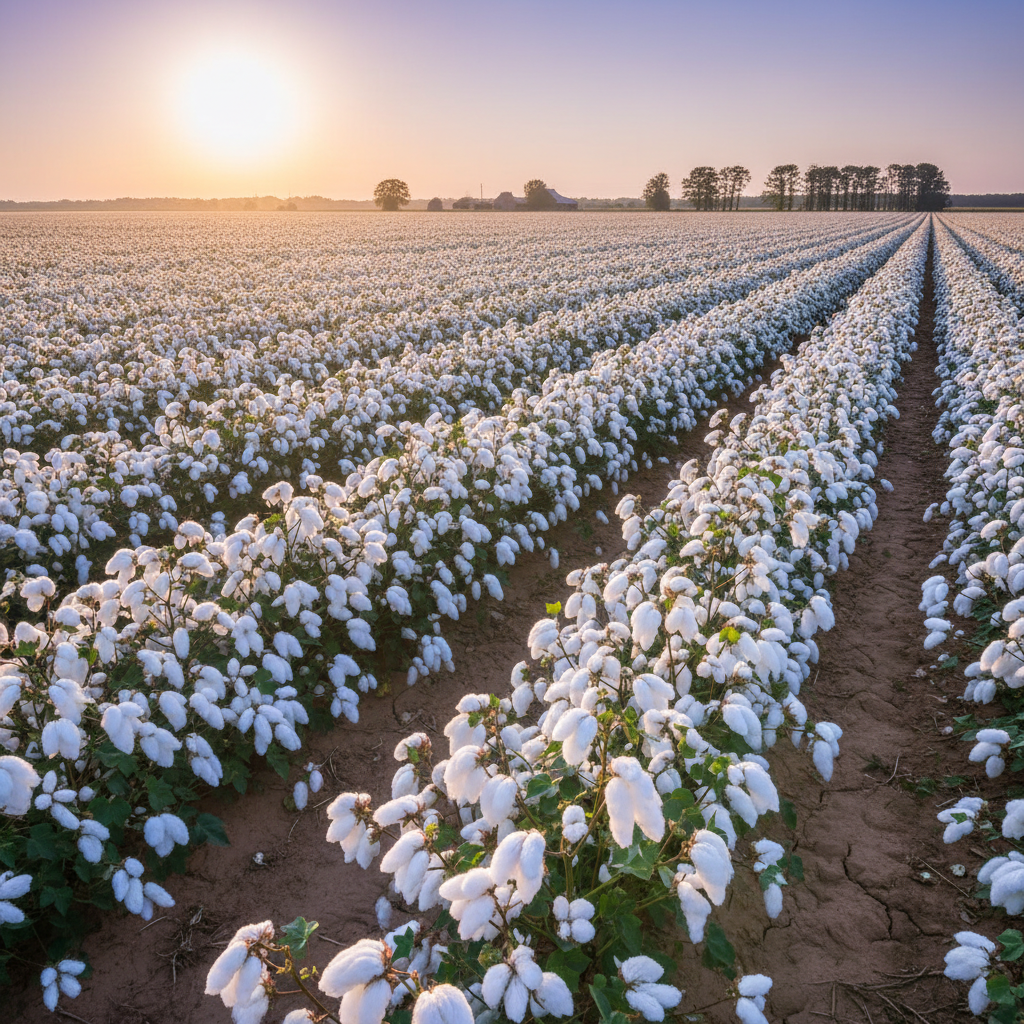
Open cotton bolls heavy with white fiber in late September Mississippi Delta field, rows of white stretching to the horizon under golden afternoon light
Fall · September – October

The Canopy Drops, White Appears

Defoliant runs when bolls reach 60% open — the green canopy falls away in a week, and the field turns white as the Delta sky before a November front.

Harvest Window
18days
Module trailers staged · 6-row pickers
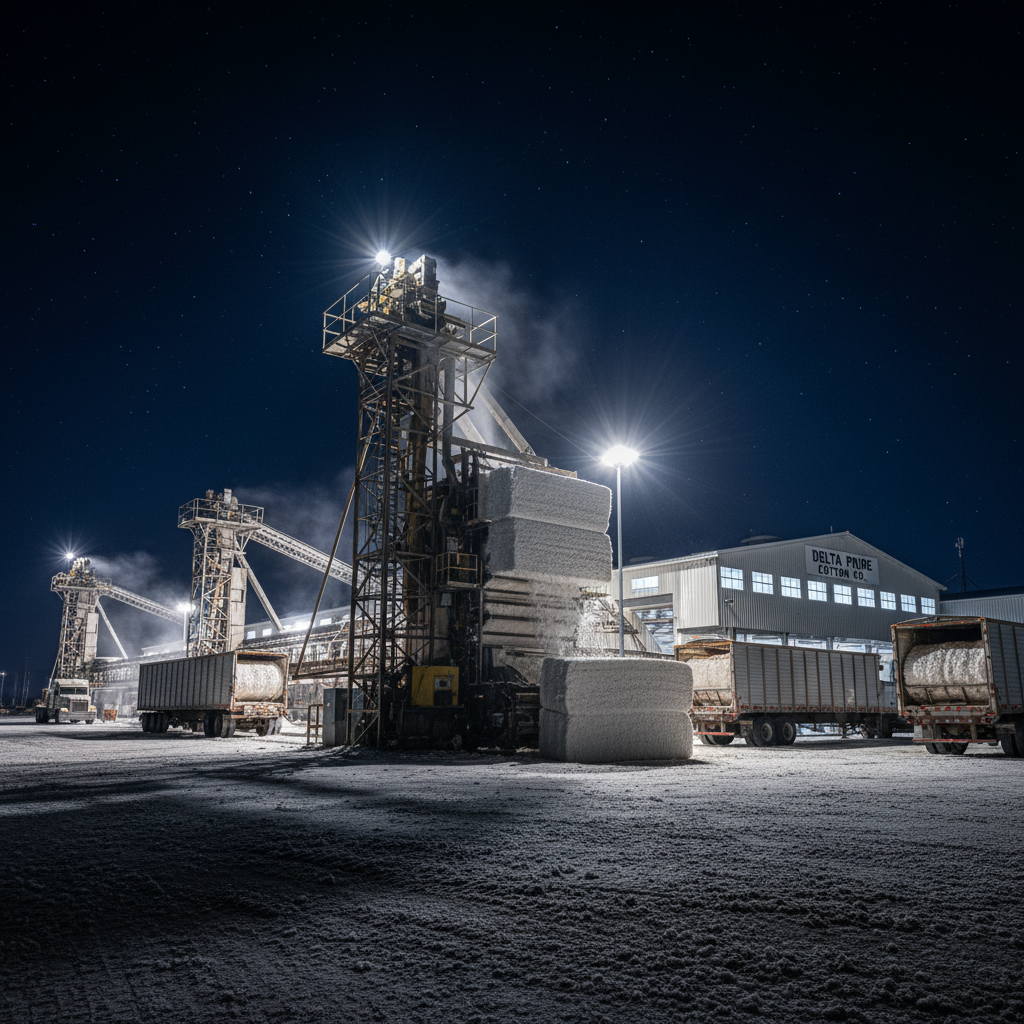
Cotton gin facility at night with module feeder running, bright industrial lights illuminating white cotton fiber against dark Mississippi winter sky
Winter · November – January

Modules Feed the Gin Before Light

Gin trailers line the turnrows before 5 a.m. — saw gins run around the clock through November, and every bale is tagged, classed, and warehouse-receipted before it leaves the county.

Bales Ginned
2,867bales
2025 crop · 500-lb net weight avg
Bolivar County, Mississippi·1,024 Acres Planted·Strict Middling Grade·Staple 1 3/32 in·Micronaire 3.8 – 4.6·GPS-Traced Rows·2.8 Bales / Acre·Rain-Fed Primary·Bolivar County, Mississippi·1,024 Acres Planted·Strict Middling Grade·Staple 1 3/32 in·Micronaire 3.8 – 4.6·GPS-Traced Rows·2.8 Bales / Acre·Rain-Fed Primary·
HVI Classing Data · 2025 Crop

The Fiber Speaks
in Numbers

Every bale classed by USDA-licensed classers at the Rosedale Classing Office. HVI data available for individual bale lots. No blending, no commingling — your traceability report names the field.

Staple Length
1 3/32inches
Strict MiddlingRange: 1 1/16 – 1 3/32

Measured by HVI at the gin. Consistent across all 1,024 acres due to single-variety planting.

Micronaire
4.2avg
Premium A-ZoneRange: 3.8 – 4.6

Fineness and maturity index. A-zone (3.5–4.9) qualifies for maximum mill premiums.

Fiber Strength
30.4g/tex
StrongRange: 29.1 – 31.8

HVI bundle strength. Strong grade (29.0+) reduces end breakage in ring-spinning operations.

Uniformity Index
83.2%
HighRange: 82.4 – 84.1

Ratio of mean fiber length to upper-half mean length. High uniformity reduces waste in processing.

Leaf Grade
2avg
CleanRange: 1 – 3

USDA leaf grade scale 1–8. Grade 2 reflects careful defoliation timing and picker adjustment.

Color Grade
31Rd/+b
White / SMRange: 31-3 to 41-3

Rd (reflectance) and +b (yellowness) measured by HVI colorimeter. Strict Middling white classification.

All fiber data from 2025 crop year. Full classing report includes bale-level HVI data, field-of-origin mapping, and gin receipt documentation. Available upon request.

Request Full Classing Report
Current Availability · 2025 Crop

Ready at the
Warehouse Door

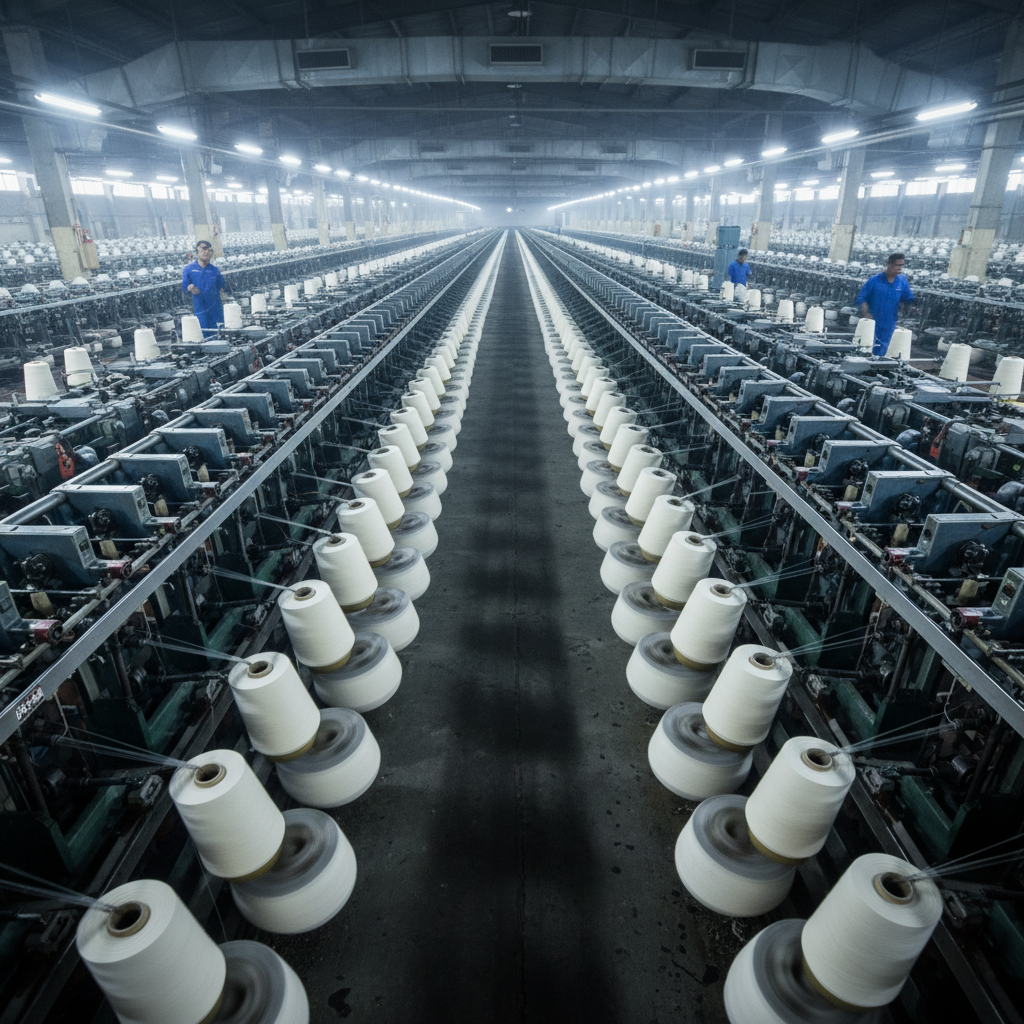
Industrial textile mill with ring-spinning machinery producing cotton yarn, rows of spinning bobbins under factory lighting
Available Now

Ring-Spun Yarn Mills

840bales

Staple 1 3/32 · Mic 4.0–4.6 · Strength 30+

Immediate availability · warehouse receipts on hand
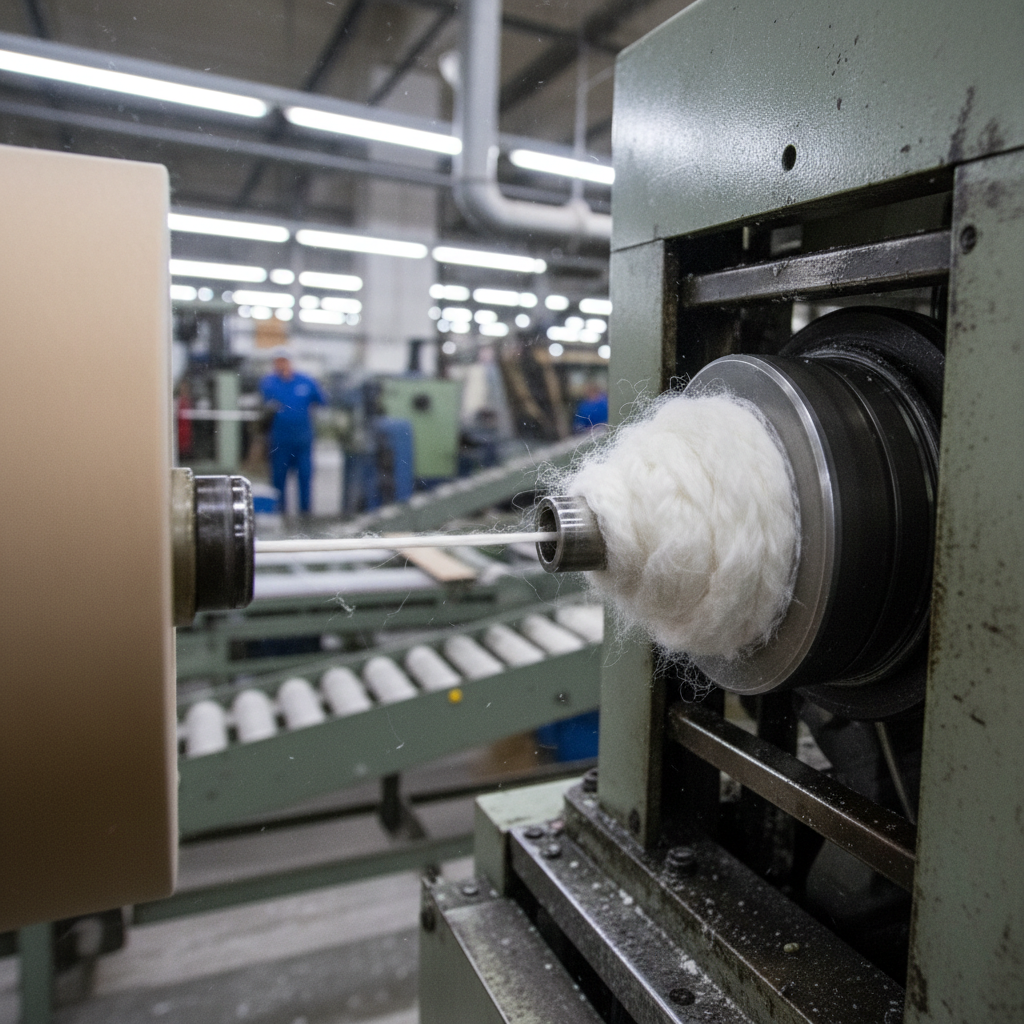
Close-up of cotton fiber on rotor spinning machine in textile manufacturing facility
Available Now

Open-End / Rotor Mills

620bales

Staple 1 1/16 · Mic 3.8–4.4 · Leaf 2–3

January delivery available · gin warehouse Rosedale
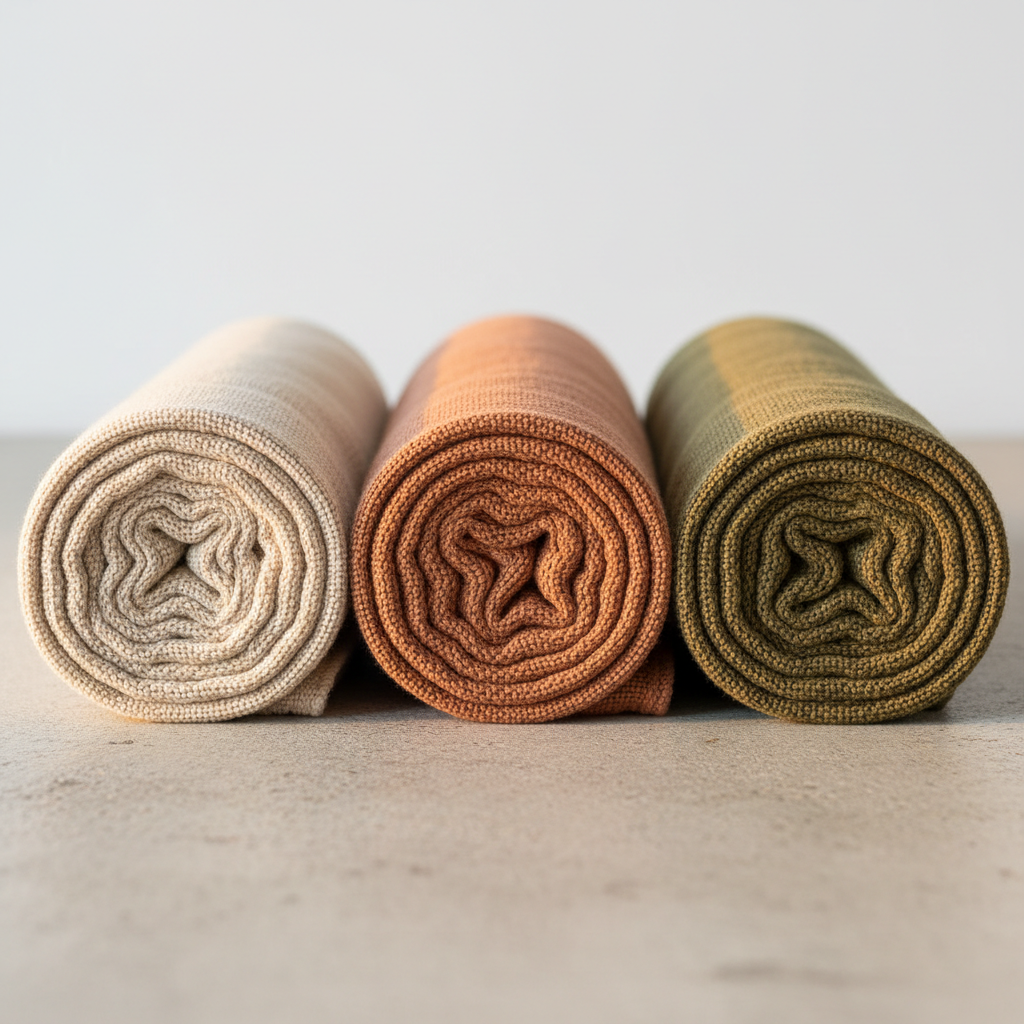
Natural cotton fabric rolls in earthy tones arranged for sustainable fashion production, warm studio lighting
Available Now

Sustainable Fashion Brands

280bales

Single-origin · field-mapped · traceability docs

Provenance package included · co-op eligible
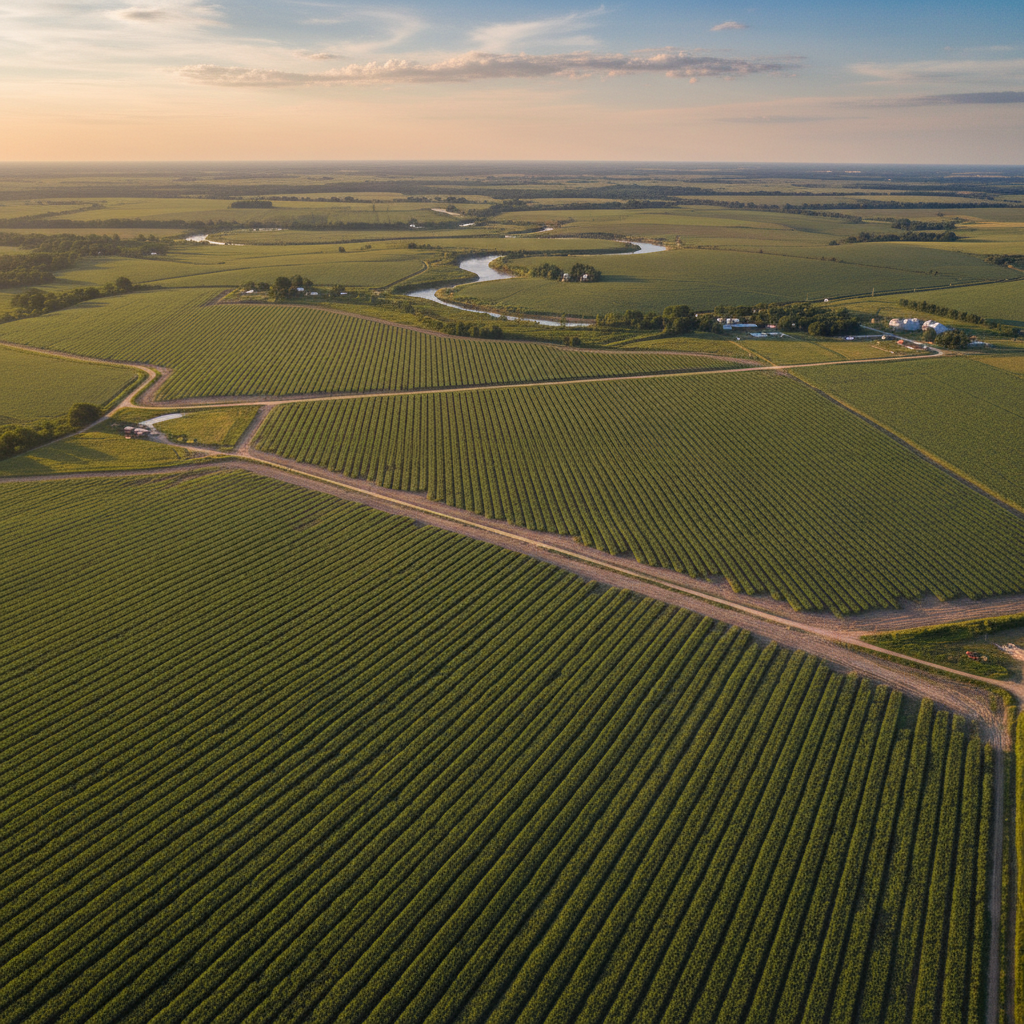
Aerial view of Mississippi Delta cotton fields in rows stretching to the horizon, late afternoon light casting long shadows
Forward Contract

Co-op Forward Contracts

2026crop

Forward basis contracts · price discovery Q1

Accepting letters of intent now

All bales are warehouse-receipted at certified storage in Rosedale, MS. Basis and price negotiated directly. No broker intermediary.

"We've sourced from a dozen Delta farms. CottonDelta is the only one that hands us bale-level HVI data before we ask — and their Rd numbers are consistently two points above the county average."
Marcus T. WebbProcurement Director · Parkdale Mills, Gaffney SC
Sourced by
Parkdale MillsRing-Spun Yarn
Delta WoodsideWeaving Mill
Stony Creek ColorsNatural Dye Partner
Cone DenimDenim Fabric
American TextileFinished Goods
FibertraceTraceability Platform
22Years in OperationEst. 2003
1,024Acres Under CultivationBolivar County, MS
2,867Bales Classed 2025USDA classing office
94%Buyer Retention RateMulti-year contracts

The Boll Has a Name.
So Does the Field.

Our classing report includes bale-level HVI data, field-of-origin coordinates, gin receipt documentation, and chain-of-custody records from planter to warehouse.

Bolivar County, Mississippi · 662-555-0147 · No broker. Direct from the farm.